
Outdoor events in Singapore carry a certain charm. There is something memorable about dining under open skies, whether it is a corporate function, a wedding, or a casual gathering. Yet behind that effortless atmosphere lies a significant amount of planning.
Singapore’s climate presents a unique challenge. Sudden rain, high humidity, and intense heat can affect everything from food quality to guest comfort. What might work indoors does not always translate well outdoors. Without a proper outdoor catering checklist, even a well-planned event can quickly face unexpected disruptions.
Food is particularly sensitive. Dishes that look appealing when freshly prepared may lose their texture or temperature when exposed to the elements. Equipment must be set up differently, and timing becomes far more critical. A strong outdoor catering checklist ensures that every moving part, from food preparation to service flow, is accounted for.
There is also a regulatory aspect to consider. Hygiene standards, waste disposal, and safe food handling practices must be maintained even in temporary setups. Without proper attention, these factors can compromise both safety and the overall experience.
Outdoor catering, therefore, is not simply about moving an indoor setup outside. It requires a different mindset, one that anticipates environmental factors and plans around them. With the right checklist, hosts can avoid common pitfalls and create an event that feels seamless from start to finish.
Planning an outdoor event becomes much easier when you understand what to prioritise. This guide walks you through every stage, from venue selection to execution day essentials, using a practical outdoor catering checklist.
You will learn how to assess outdoor venues, design menus that can withstand local weather conditions, and prepare for unexpected disruptions. The article also explores key operational details such as equipment requirements and service coordination.
By the end, you will have a complete step-by-step guide that helps you plan effectively, whether you are organising a small private event or a large-scale gathering.
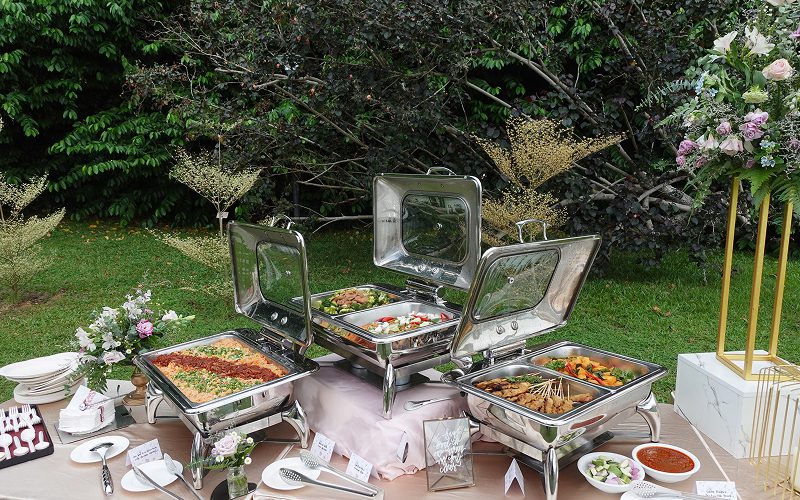
The venue sets the tone for the entire event. In outdoor settings, it also directly affects how smoothly the catering process unfolds. An outdoor catering checklist should come with careful venue evaluation, as the environment will influence everything from food setup to guest comfort.
Space planning is one of the first considerations. Outdoor venues must accommodate buffet lines, live stations, seating arrangements, and service pathways without crowding. It is not only about fitting everything in, but also ensuring that guests can move comfortably while staff can operate efficiently.
Poor layout planning often leads to bottlenecks or delays, especially during peak serving times. An outdoor catering checklist helps define clear zones for dining, food service, and movement, allowing the event to flow naturally without congestion.
Accessibility is equally important. Locations that are difficult to reach may complicate setup, particularly when transporting heavy equipment such as tables, warmers, and service stations.
This becomes even more relevant when working with teams providing catering in Singapore, where efficient loading and unloading can impact the overall timeline. Easy access for both vehicles and guests ensures smoother setup and reduces unnecessary delays on the event day.
Utilities are often overlooked but are essential for outdoor catering. Power points are required for lighting, food warmers, refrigeration units, and sometimes live cooking stations. Water access is equally important for cleaning, food preparation, and maintaining hygiene standards.
Without these, caterers may need to bring in additional equipment, which adds complexity. Including them in your checklist helps avoid last-minute complications that can disrupt operations.
Certain outdoor venues, especially public or shared spaces, may require permits for food service or equipment use. Noise restrictions, fire safety rules, and waste disposal requirements may also apply.
Clarifying these details early ensures compliance and prevents unexpected interruptions. A thorough outdoor catering checklist always accounts for these administrative considerations.
Finally, an outdoor catering checklist should consider the overall environment. Shade, ventilation, and proximity to sheltered areas can significantly affect guest comfort, particularly in Singapore’s humid climate.
A beautiful venue is important, but it must also support practical needs. Knowing what the event requires allows hosts to select a venue that balances aesthetics with functionality, ensuring a smooth and enjoyable experience from start to finish.
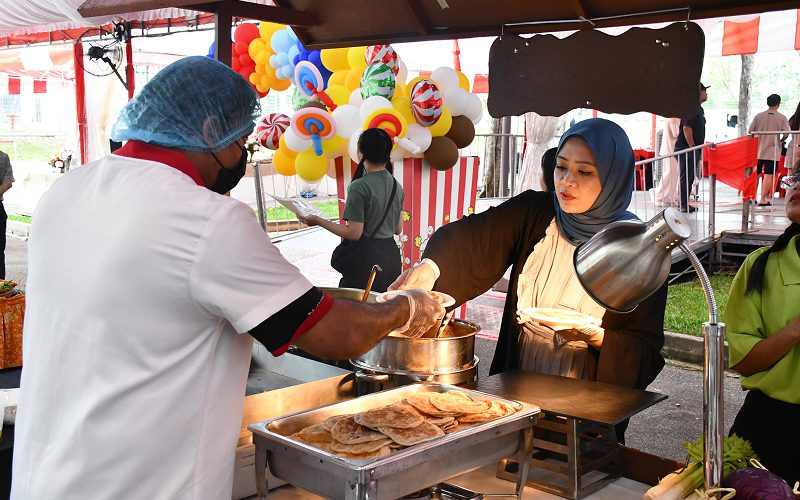
Menu planning for outdoor events requires a different approach from indoor dining. The climate plays a significant role in how food is prepared, presented, and consumed. A comprehensive outdoor catering checklist takes these conditions into account, ensuring that dishes remain enjoyable throughout the event rather than deteriorating under heat or humidity.
A practical starting point is selecting items that hold up well outdoors. Grilled meats, stir-fried noodles, braised dishes, and tropical fruit platters tend to maintain their flavour and texture even when exposed to warmer conditions. These options are less sensitive to temperature fluctuations, making them more reliable for outdoor settings.
Additionally, ensure that your outdoor catering checklist avoids dishes that spoil easily or lose their appeal quickly. For example, certain dairy-based items or delicate preparations may not perform well unless strict temperature control is maintained.
Understanding food safety in outdoor catering is essential. Without the controlled environment of an indoor venue, food is more exposed to environmental factors such as heat and humidity.
Maintaining safe serving temperatures becomes a key priority. Hot dishes should remain properly heated, while cold items must be kept chilled. This often requires the use of insulated containers, chafing dishes, or cooling equipment. Including these considerations in your outdoor catering checklist helps ensure that food remains safe for consumption throughout the event.
A well-planned menu should offer a balanced selection of mains, sides, and desserts. Guests appreciate variety, especially at larger gatherings where preferences may differ.
Dietary requirements should also be taken into account. Providing vegetarian or halal-friendly options helps create a more inclusive dining experience. Many hosts opt for buffet catering for outdoor setups, as they allow guests to choose what suits them best while keeping service efficient.
Live cooking stations are a popular feature at outdoor events. They allow food to be prepared on-site, ensuring that dishes are served fresh and at the right temperature.
Beyond practicality, live stations add an interactive element that guests enjoy. Watching food being prepared creates a sense of engagement and enhances the overall atmosphere. Consider adding live stations to your outdoor catering checklist as a way to balance freshness, efficiency, and guest experience.
Outdoor conditions can change, and menus should be adaptable. Having alternative dishes or backup options ensures that the event can continue smoothly even if adjustments are needed.
By approaching menu planning with flexibility and awareness, hosts can create a dining experience that remains enjoyable regardless of external conditions.

Weather is one of the most unpredictable elements of any outdoor event in Singapore. Even with careful planning, conditions can shift quickly from bright sunshine to heavy rain within a short span of time. A well-prepared outdoor catering checklist ensures that these changes do not disrupt the overall experience.
One of the first considerations is adequate shelter. Tents and marquees provide protection against both sudden downpours and prolonged exposure to the sun. They also help create a more controlled environment for food and equipment, reducing the risk of damage or spoilage.
Positioning these structures strategically is equally important. Food stations, seating areas, and walkways should all be covered where possible. Including these arrangements in your outdoor catering checklist helps minimise disruptions during unexpected weather changes.
Heat can be just as challenging as rain. Without proper ventilation, outdoor spaces may become uncomfortable for guests and staff alike. Portable fans, shaded seating areas, and airflow-friendly layouts can help maintain a pleasant environment.
Ensuring that guests remain comfortable encourages them to stay longer and enjoy the event. This is why temperature management is a key component of any outdoor catering checklist.
An essential part of catering is weather contingency planning, which gives you a clear backup plan. This may involve access to a nearby sheltered area or a quick relocation strategy that can be implemented without confusion.
Event teams should be briefed in advance so that everyone understands their role if conditions change. Clear communication helps transitions happen smoothly without affecting the flow of the event.
Weather conditions can also affect food choices. Certain dishes may not perform well in high humidity or rain. Having alternative options ready ensures that service can continue without compromising quality.
A flexible approach, supported by a thorough outdoor catering checklist, allows hosts to respond confidently to changing conditions while maintaining a seamless guest experience.
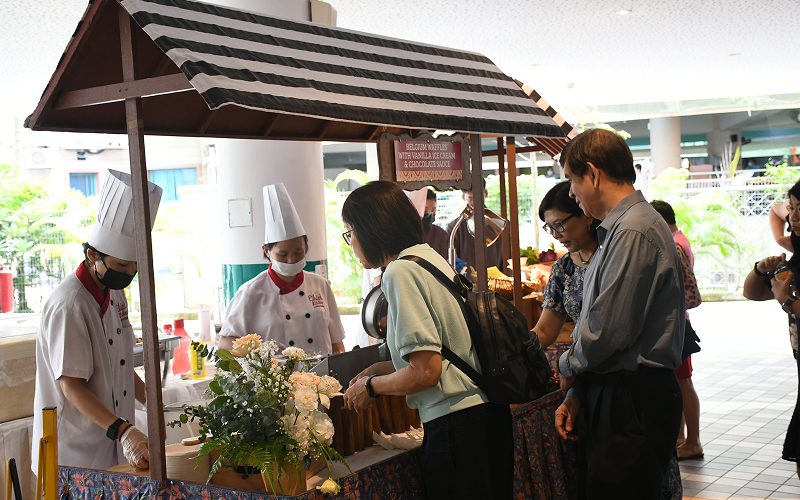
Equipment and service coordination are often the unseen elements that determine whether an event runs smoothly. While guests may focus on the food and atmosphere, much of the success depends on what happens behind the scenes. A thorough checklist ensures that every operational detail is accounted for, reducing the risk of disruptions during the event.
Maintaining proper food temperature is one of the most important considerations. Chafing dishes, insulated containers, and cooling units help ensure that hot dishes remain hot and cold items stay chilled throughout the event.
Without these tools, food quality can decline quickly in outdoor conditions. Including temperature control measures in your outdoor catering checklist helps maintain both safety and consistency from the first serving to the last.
Lighting plays a crucial role, particularly for evening events. Adequate illumination ensures that guests can move safely between areas, read food labels, and navigate pathways without difficulty.
Strategic lighting around buffet stations and seating areas also enhances presentation, making the overall setup feel more inviting. A detailed outdoor catering checklist considers both functional and aesthetic lighting needs.
Hygiene should never be overlooked, even in outdoor settings. Providing hand sanitisers, wet wipes, or portable sinks allows guests and staff to maintain cleanliness throughout the event.
These small touches contribute to a safer and more comfortable environment. Incorporating hygiene stations into your checklist demonstrates thoughtful planning and attention to guest well-being.
Waste management is another critical aspect that supports a smooth event flow. Clearly placed rubbish bins, recycling options, and discreet clean-up processes help maintain a tidy space.
Without proper planning, waste can accumulate quickly and affect the overall experience. Ensure that clean-up is handled efficiently, allowing the event to conclude without unnecessary complications.
Bringing all elements together requires careful coordination. From equipment setup to service timing, each component must align to support a seamless experience.
Understanding catering logistics for outdoor events helps ensure that staff, equipment, and service flow work together effectively. With a well-organised checklist, hosts can manage these details confidently while focusing on their guests.
Singapore experiences a tropical climate throughout the year. While some months tend to be drier, weather conditions can change unexpectedly. Having a comprehensive checklist ensures that events remain manageable regardless of the season.
Advance booking is recommended, especially during peak periods. Securing your preferred date early allows for better planning and coordination. Many providers offering catering services in Singapore recommend booking several months in advance for larger events.
Yes, many events incorporate live cooking stations to enhance the dining experience. These setups provide freshly prepared dishes while adding a visual element to the event. They are also commonly included in corporate catering in Singapore, where interactive experiences are valued.
Planning an outdoor event requires attention to detail, adaptability, and careful coordination. A detailed outdoor catering checklist helps bring all these elements together, ensuring that every aspect of the event is accounted for.
From selecting the right venue to designing a suitable menu and preparing for weather changes, each step contributes to a smoother experience. Overlooking even small details can affect the overall flow of the event.
Working with experienced caterers can make a meaningful difference. Their familiarity with outdoor setups allows them to anticipate challenges and provide practical solutions. Whether you are planning a private gathering or exploring buffet catering options for a larger event, professional guidance helps ensure consistency.
Here at Elsie’s Kitchen, we support a wide range of outdoor events across Singapore, offering tailored solutions that balance practicality and presentation, from mini catering to large-scale buffets. With careful planning and a well-executed outdoor catering checklist, your event can feel effortless while leaving a lasting impression on your guests.
If you are planning an upcoming outdoor event and want professional support, please contact us to explore how we can help bring your plans to life.