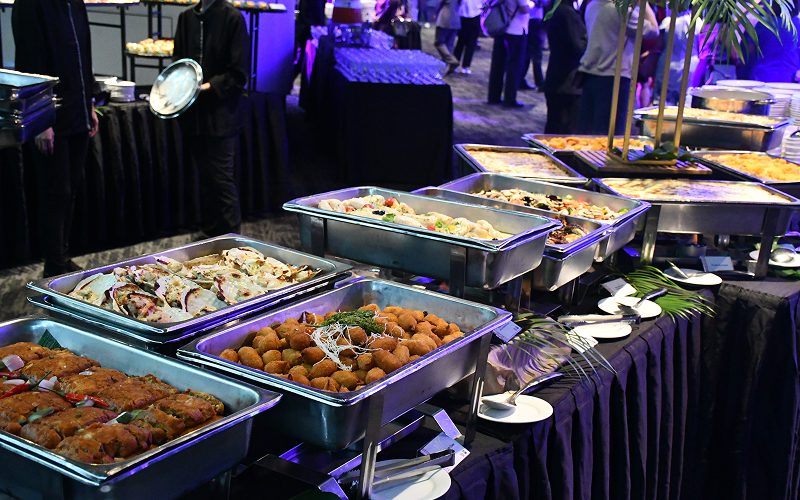
When planning a catered event, one of the most common questions is: how long can food be safely left out?
Under Singapore’s catering regulations, the answer is relatively straightforward. Food should generally not remain at room temperature for more than 4 hours from the time it is prepared until it is consumed.
This 4-hour window includes every stage of the process. Preparation, packing, transport, setup, and serving all contribute towards the total time. In reality, guests may have significantly less than 4 hours to consume the food after it arrives at the venue.
Understanding these regulations is especially important in Singapore’s warm and humid environment, where food can spoil much faster than many people realise.
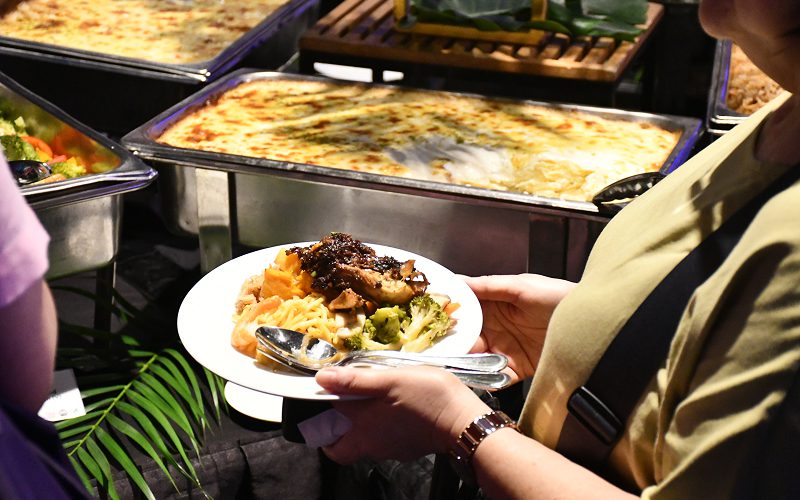
The 4-hour rule is one of the most important principles in the food safety guidelines that Singapore event organisers and caterers follow.
Bacteria multiply most rapidly between 5°C and 60°C, commonly referred to as the “temperature danger zone.” When food remains within this range for prolonged periods, the risk of foodborne illness increases significantly.
For example:
This is why many professional caterers closely monitor food preparation and serving timelines throughout the event.
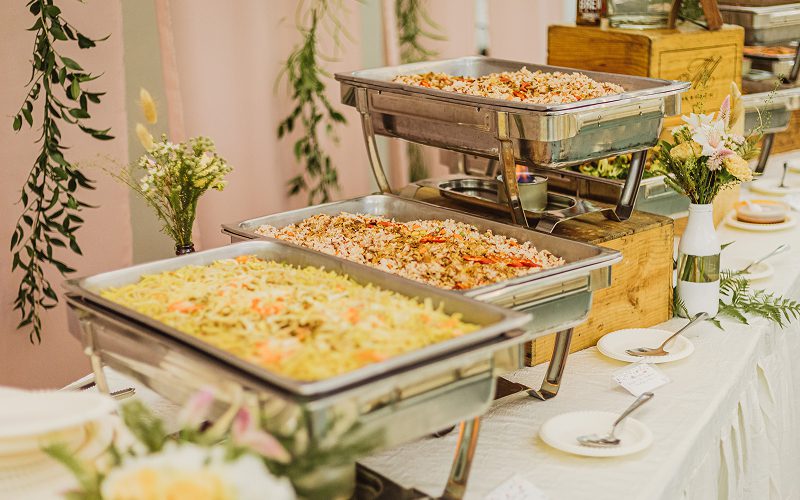
While the 4-hour rule serves as a general guideline, some dishes become unsafe much faster depending on their ingredients and moisture levels.
Protein-rich and moist foods are usually considered higher risk. Dishes such as curry chicken, braised beef, sambal prawns, and creamy pasta create conditions that allow bacteria to grow more easily.
Some particularly temperature-sensitive foods include:
Even buffet staples like spring rolls or roasted vegetables are not exempt from risk if they remain exposed for too long.
Understanding how long catered food can sit out helps hosts plan serving schedules more carefully, especially for large-scale events or outdoor functions.
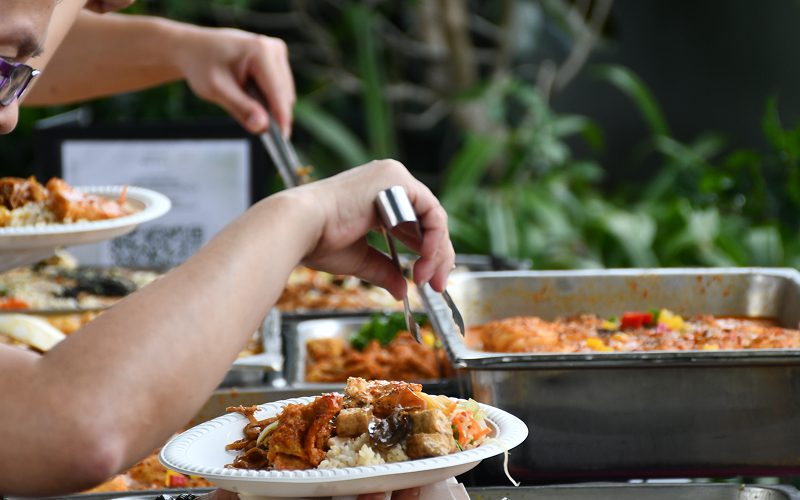
Following practical food safety tips can help reduce food safety risks during catered events.
Avoid having buffet setups delivered too early. The earlier food arrives, the shorter the safe consumption window becomes.
For larger events, staggered food replenishment often works better than setting out all dishes at once.
Professional caterers typically transport:
However, maintaining these temperatures becomes more difficult once food is displayed at the venue. Chafing dishes, insulated trays, and ice setups can help slow temperature changes, but they do not eliminate risk.
A practical approach is to serve lighter appetisers first, then introduce heavier dishes.
For example:
This reduces the amount of food sitting out unnecessarily.
Food that has exceeded safe time limits should generally not be kept for later consumption, even if it appears visually unchanged.
This is particularly important for seafood dishes, dairy-based items, and cooked carbohydrates.
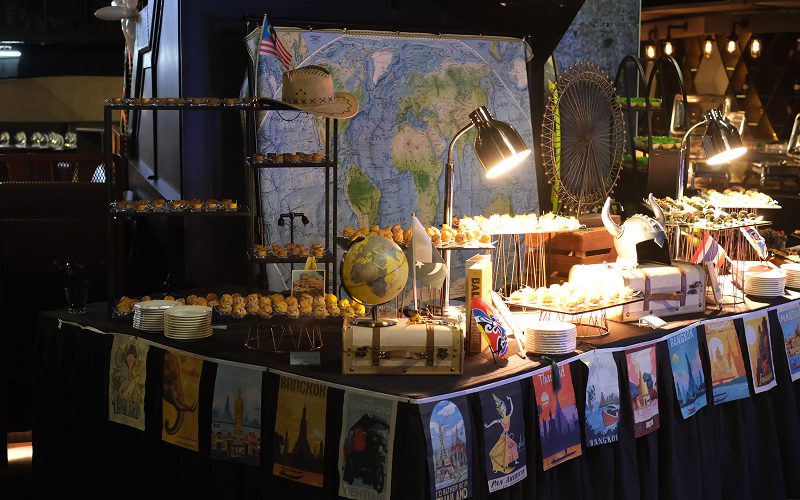
Professional caterers implement multiple processes to comply with catering regulations and maintain safe food-handling standards.
Some common practices include:
For individually packed meals, bento box catering services in Singapore and food safety management also include packaging methods, sealing processes, and delivery timing.
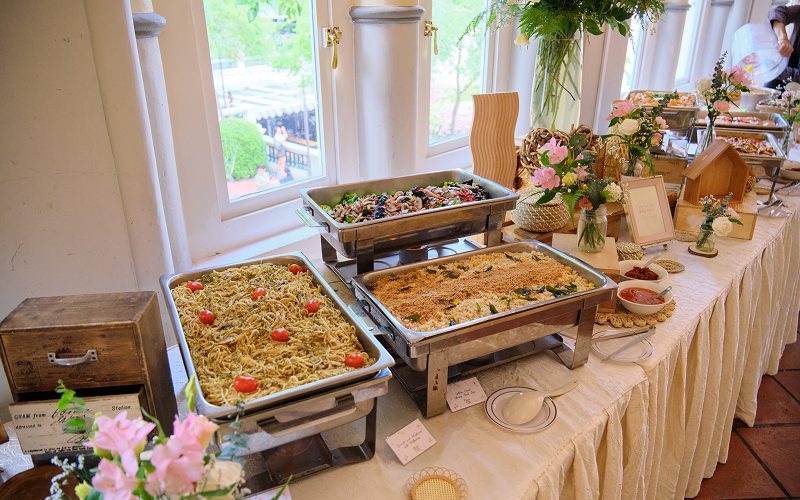
Failing to follow proper food safety procedures can lead to more than just spoiled food.
In severe cases, unsafe food handling may cause food poisoning that affects multiple guests simultaneously. High-risk foods such as seafood, dairy products, and cooked rice are commonly associated with such outbreaks.
For caterers, non-compliance with regulations may result in:
Hosts also carry some responsibility. Serving food beyond safe consumption periods can negatively affect guest experience and trust, particularly during corporate events or formal gatherings.
In today’s environment, negative experiences related to hygiene or food safety can spread quickly through online reviews and social media.
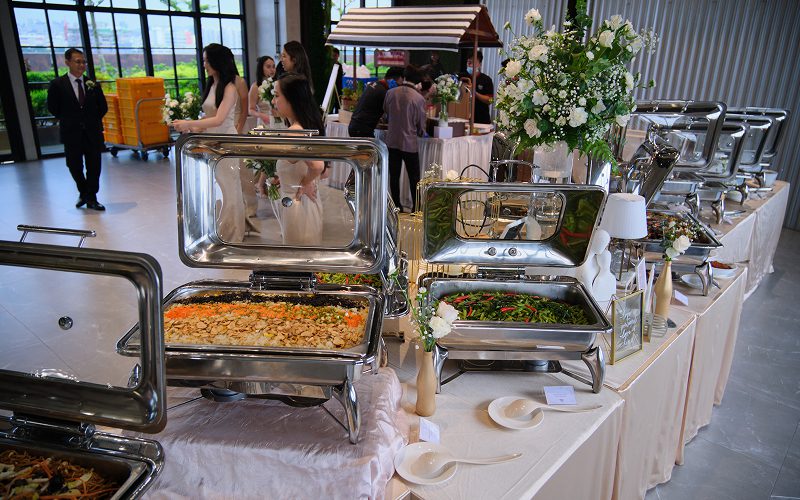
Understanding regulations is not simply about following rules. It directly affects how events should be organised and managed.
Good planning often includes:
This is particularly important in Singapore’s climate, where heat and humidity accelerate food deterioration.
Choosing an experienced catering service provider can also help reduce operational stress during events, as established caterers are typically more familiar with safe handling procedures and practical buffet management strategies.
This is especially important for food catering setups at parties, where buffet tables may remain exposed for longer periods as guests mingle, return for second servings, or eat in staggered groups. Proper timing and food replenishment help reduce unnecessary exposure while keeping dishes fresher throughout the event.
Singapore’s regulations provide clear guidance on food safety, especially for buffet setups and catered events. The key principle remains simple: food should generally not be left out for more than 4 hours from preparation to consumption.
From transport timing to buffet management, every stage contributes to maintaining food safety standards. Understanding these guidelines helps hosts create events that are not only enjoyable, but also safer and more comfortable for guests.
At Elsie’s Kitchen, we prioritise food safety alongside quality and variety. From corporate buffets to individually packed meals, our catering processes are designed to align with Singapore’s food safety standards while delivering a smooth and reliable event experience.
Contact us today to learn more about our catering solutions for your next event.