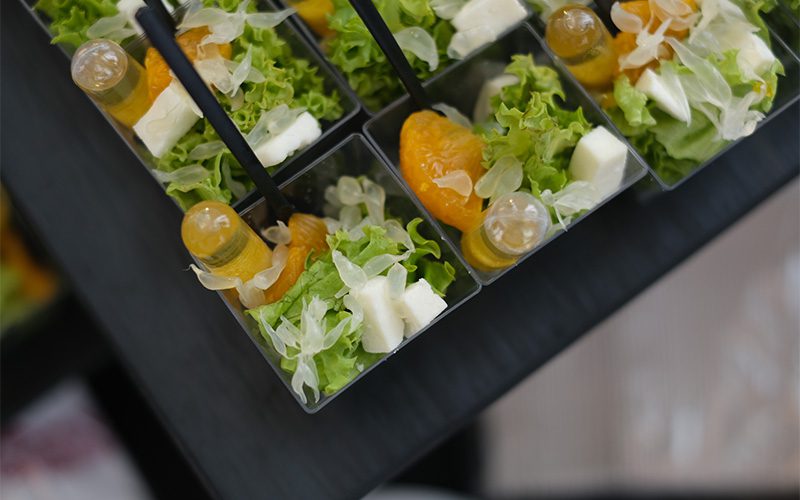
Catering in Singapore is no longer just about ensuring there is enough food for everyone. Today, events are increasingly shaped by how guests prefer to eat, interact, and experience food together. Hosts are paying closer attention not only to quantity, but also to whether menus feel balanced, enjoyable, and suited to the occasion.
As a result, current catering trends show a noticeable shift towards smarter portioning, curated variety, and greater flexibility. Rather than large uniform spreads designed around volume alone, menus are becoming more intentional in both composition and presentation.
For hosts planning an event, understanding these changes can help create a more thoughtful dining experience. From structured meal formats to interactive experiences, catering today is increasingly designed to maximise variety while keeping portions practical and enjoyable.
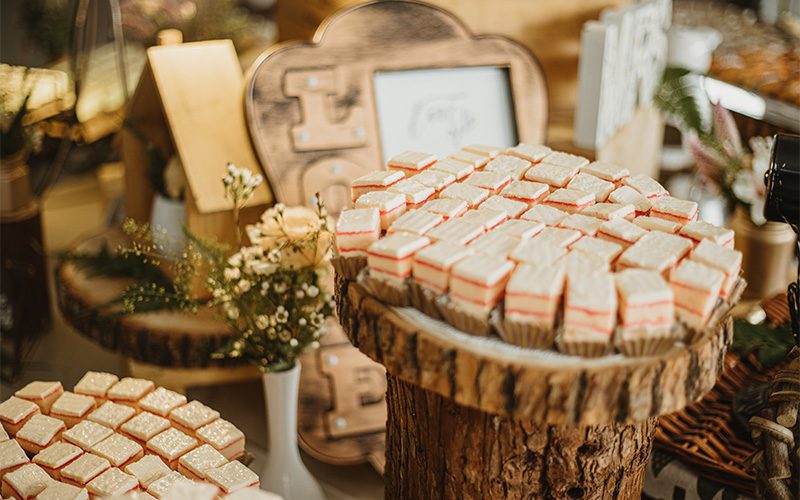
One of the most visible current catering trends is the move towards smaller serving formats that encourage guests to sample more dishes throughout the event.
Instead of building menus around fewer large-format dishes, caterers are introducing smaller portions across multiple categories. Appetisers, mains, desserts, and finger foods are all designed to work together as part of a broader dining experience.
For example, a modern event spread may feature mini sliders, bite-sized quiches, assorted finger food, mini desserts, and small servings of local favourites, allowing guests to experience more variety without feeling overwhelmed.
This shift importantly changes portion sizes. Guests are no longer expected to commit to one large serving. Instead, they can build their own experience through multiple smaller selections.
For hosts, this often means food feels more abundant and engaging, even when overall quantities remain controlled.
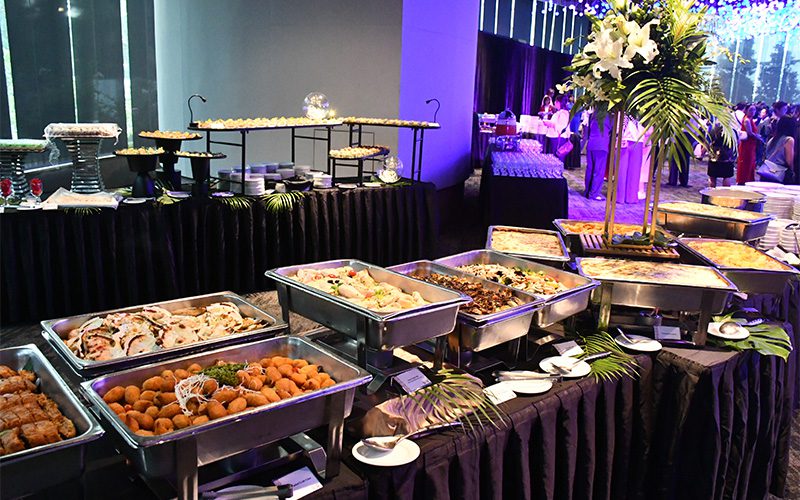
Another major development shaping current catering trends is the growing popularity of the mini buffet format.
Unlike traditional buffet spreads that emphasise large quantities across extensive setups, mini buffets focus on offering a complete meal through a carefully curated selection of dishes.
A typical mini buffet may include:
This approach changes portion sizes by reducing excess within individual dishes while maintaining a satisfying overall spread. Rather than serving oversized trays, menus are structured to provide balance across proteins, carbohydrates, vegetables, and desserts.
Menu variety also improves naturally because each dish plays a distinct role in the meal rather than competing for attention.
This is one reason why the mini buffet format has become increasingly popular for housewarmings, office events, and smaller celebrations across Singapore.
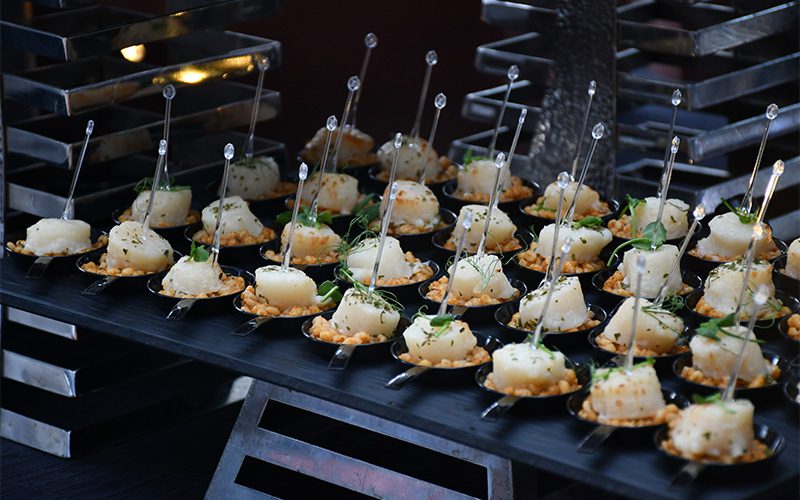
Structured meal formats are another way current catering trends are influencing portion sizes and menu planning.
One of the clearest examples is bento box catering in Singapore, which continues to grow in popularity for corporate events, seminars, and organised gatherings.
Rather than allowing guests to self-serve, each person receives a complete meal with fixed portions. A typical bento may include:
This structure creates consistency while reducing uncertainty around food planning. Hosts gain greater control over portions, while guests receive a balanced meal without needing to queue repeatedly.
Menu variety is maintained through offering multiple meal options across the order. For example, guests may choose between local, Western, or vegetarian selections while still receiving a similarly balanced experience.
This approach is particularly relevant for businesses seeking efficient Halal bento catering in Singapore, where portion control and dietary inclusivity become equally important considerations.
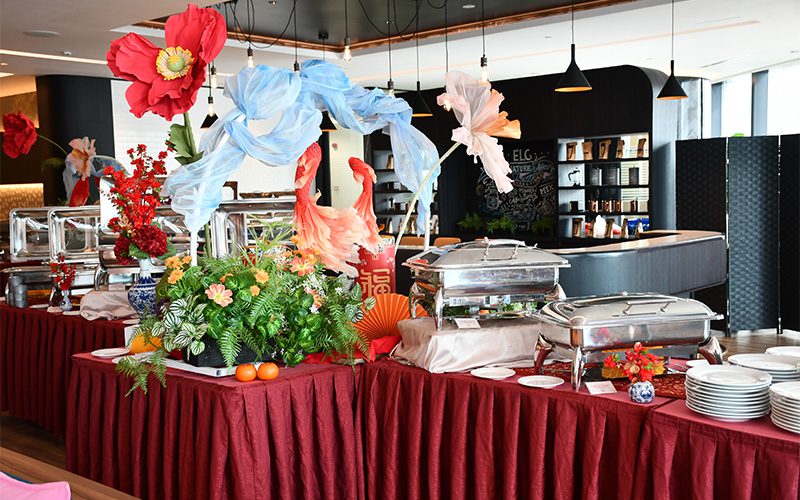
Modern catering increasingly focuses on personalisation rather than increasing the number of dishes.
Today’s hosts often want menus that reflect their guests’ profiles, whether that means accommodating dietary preferences, balancing cuisines, or offering a wider mix of flavours.
Instead of serving multiple large dishes, caterers now distribute variety across smaller portions and specialised selections.
A customised menu may include:
This approach allows menus to feel more expansive without significantly increasing overall food quantities.
It also creates a more inclusive dining experience, ensuring guests with different preferences still feel considered.
For hosts exploring catering options in Singapore, customisation has become less about adding more food and more about building smarter combinations.
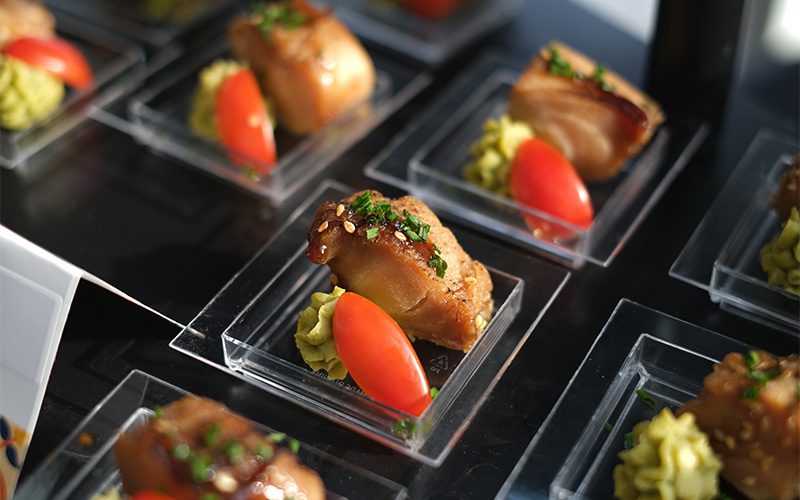
One of the most interactive catering trends is the rise of live-station catering.
Unlike traditional catering where food is prepared entirely in advance, live station catering introduces a made-to-order experience that gives guests more control over what and how much they eat.
Examples include:
This influences portion size because servings become demand-based rather than fixed. Some guests may prefer lighter portions while others return for additional servings.
At the same time, menu variety expands significantly. A single station can generate multiple combinations through customisation rather than requiring separate dishes.
For hosts, this creates an experience that feels both premium and efficient while reducing unnecessary waste.
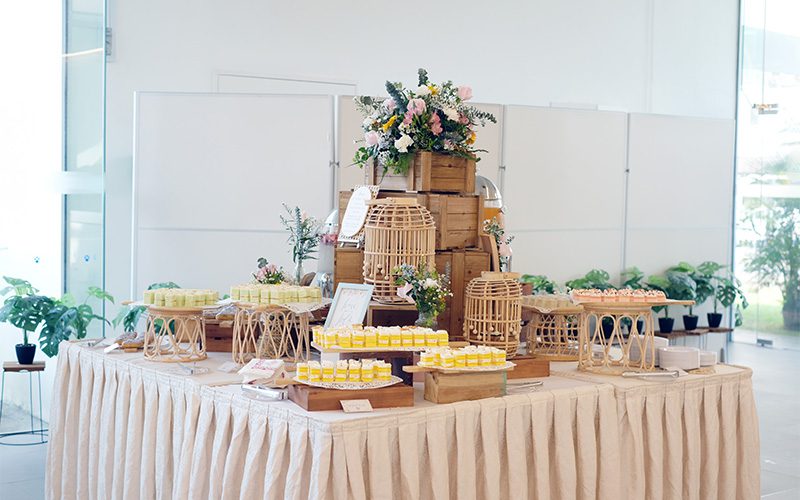
Current trends in Singapore are reshaping how food is planned and experienced at events. The shift is no longer simply about serving more. Instead, it is about creating a balance between portion sizes, menu variety, and guest satisfaction.
From curated bite-sized selections and mini buffet formats to bento box catering Singapore and live station catering, modern catering reflects a more thoughtful approach to how people gather and enjoy food together.
For hosts, understanding these changes makes it easier to create events that feel current, practical, and memorable.
At Elsie’s Kitchen, we translate these trends into real catering experiences through thoughtfully curated menus, balanced portions, and flexible formats. Whether you are planning an intimate gathering or a large-scale celebration, we help create menus that feel generous and enjoyable, designed around the way people eat today.
Contact us to find out which portion size is best suited for your party today.